What Is KYC in Self Storage? (2026 Guide for Operators)
SELL ONLINE
In 2026, self storage is no longer just about locks and leases. It’s about trust, automation, and risk control.
If you’re running (or scaling) a facility, you’ve probably heard the term KYC. But what does it actually mean for self storage operators?
What Is KYC?
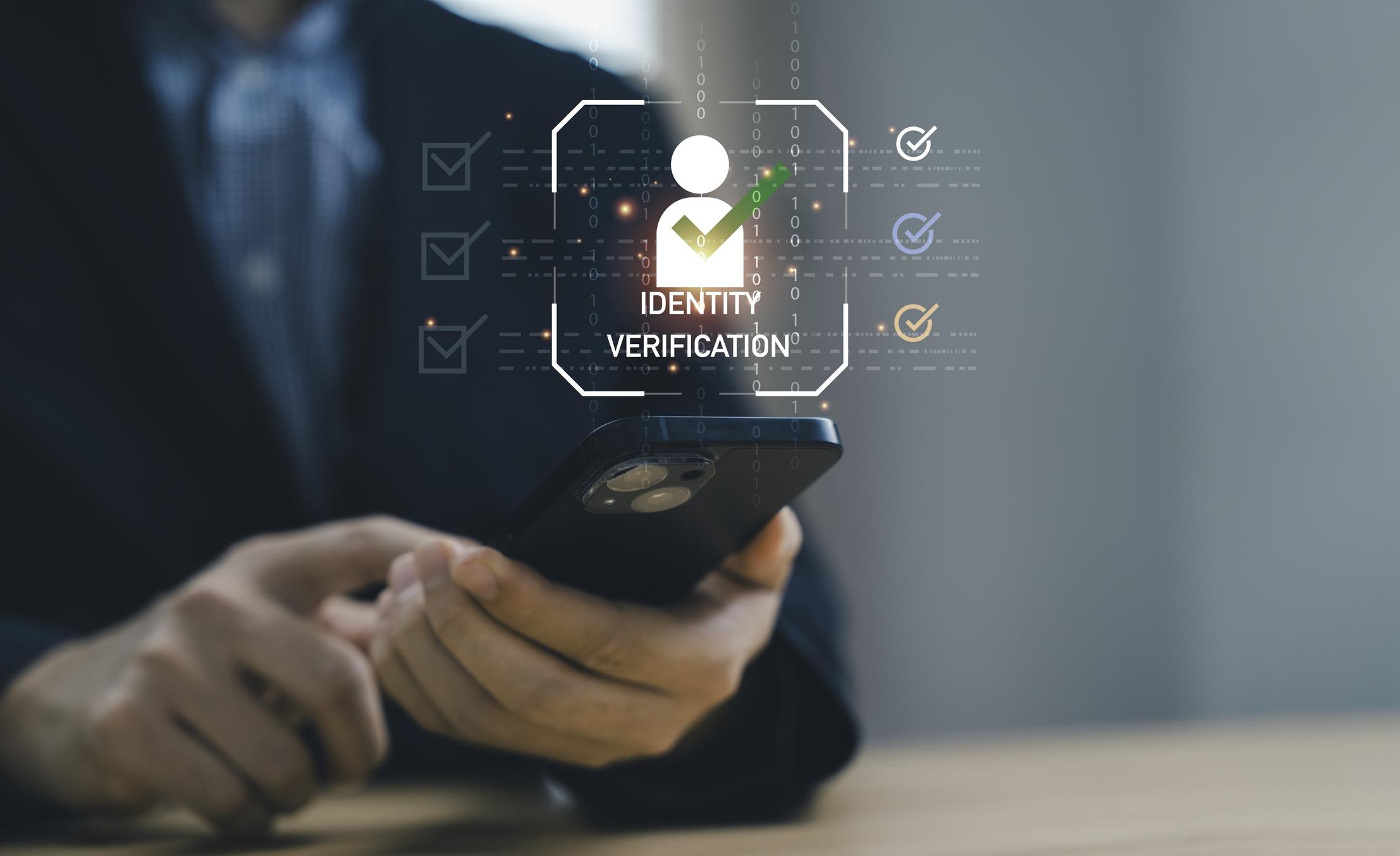
KYC (Know Your Customer) is the process of verifying a customer’s identity before allowing them to access a service.
KYC became mainstream in banking and fintech, driven by global standards from organisations like the Financial Action Task Force, but it has rapidly expanded into industries handling:
- Recurring payments
- Remote onboarding
- High-value goods
- Regulated access environments
Self storage now ticks all four.
Why KYC Matters in Self Storage (2026 Reality)
Self storage has changed:
- Online bookings are now standard
- E-agreements replace paper leases
- Contactless move-ins are expected
- Gate access is automated
- Payments are recurring and digital
Without identity verification, operators are exposed to:
1. Fraud & Chargebacks
Stolen cards + fake names = costly disputes.
2. Criminal Misuse
Units used for stolen goods, illegal storage, or organised activity.
3. Abandoned Tenancies
Fake identities make recovery nearly impossible.
4. Reputational Risk
Operators are increasingly expected to meet higher compliance standards.
KYC reduces these risks before the customer even receives a gate code.
What Does KYC Look Like in Self Storage?
Modern KYC typically includes:
Identity Verification
- Government ID scan (passport / driver licence)
- AI document validation
- Liveness selfie check
Address Validation
- Matching billing details
- Utility or database verification (optional)
Sanctions / Watchlist Screening
Automated screening against global lists.
Where KYC Fits in the Customer Journey
Traditional model (2015–2020):
Customer walks in → shows ID → signs paper → gets key.
Modern 2026 model:
Customer books online → uploads ID → signs e-agreement → payment processed → access granted automatically.
No staff involvement required.
For operators using cloud-based platforms (like Alyta ), KYC is now a core infrastructure layer — not an add-on.
Is KYC Mandatory for Self Storage?
In most regions, full KYC is not yet legally mandatory for standard storage.
However:
- Payment processors require identity verification in certain cases.
- Merchant facilities may demand AML-aligned controls.
- Insurers increasingly assess risk controls.
- Large operators are implementing it as standard policy.
KYC is quickly shifting from “optional extra” to “industry norm.”
Benefits of KYC for Operators
Reduced Fraud & Chargebacks
Verified identities dramatically lower dispute rates.
Higher Quality Tenancies
Less ghost accounts. Fewer fake names.
Fully Automated Move-Ins
Enables true contactless onboarding.
Multi-Site Control
Consistent risk policy across locations.
Does KYC Hurt Conversions?
This is the big fear.
In reality:
- Smart, instant KYC adds 10–30 seconds to checkout.
- Fraud prevention offsets any minor friction.
- Most customers expect verification in 2026.
The key is integrated, invisible UX — not clunky manual uploads.
The Future of KYC in Self Storage
Looking ahead:
- Risk-based KYC (only trigger for higher risk profiles)
- Behavioural fraud detection
- Integration with access control systems
- Automated insurance validation
- Industry-wide compliance benchmarks
Self storage is maturing into a digitally regulated infrastructure asset class — and identity verification is part of that evolution.
Should You Implement KYC in 2026?
If your facility offers:
- Online bookings
- Remote move-ins
- Recurring payments
- Multi-site scale
- 24/7 automated access
Then yes — KYC is no longer just a “nice to have.”
It’s operational hygiene.
Final Thought
Self storage was once a handshake industry.
In 2026, it’s a digital ecosystem.
And in digital ecosystems, identity matters.